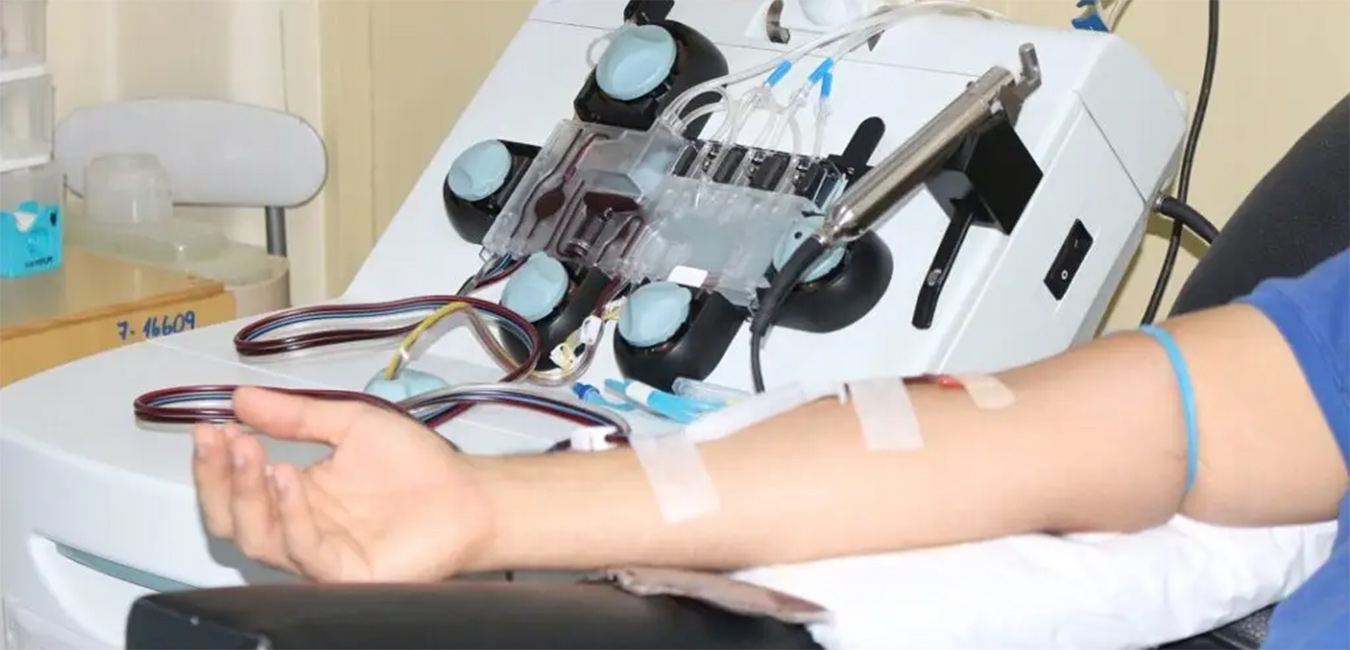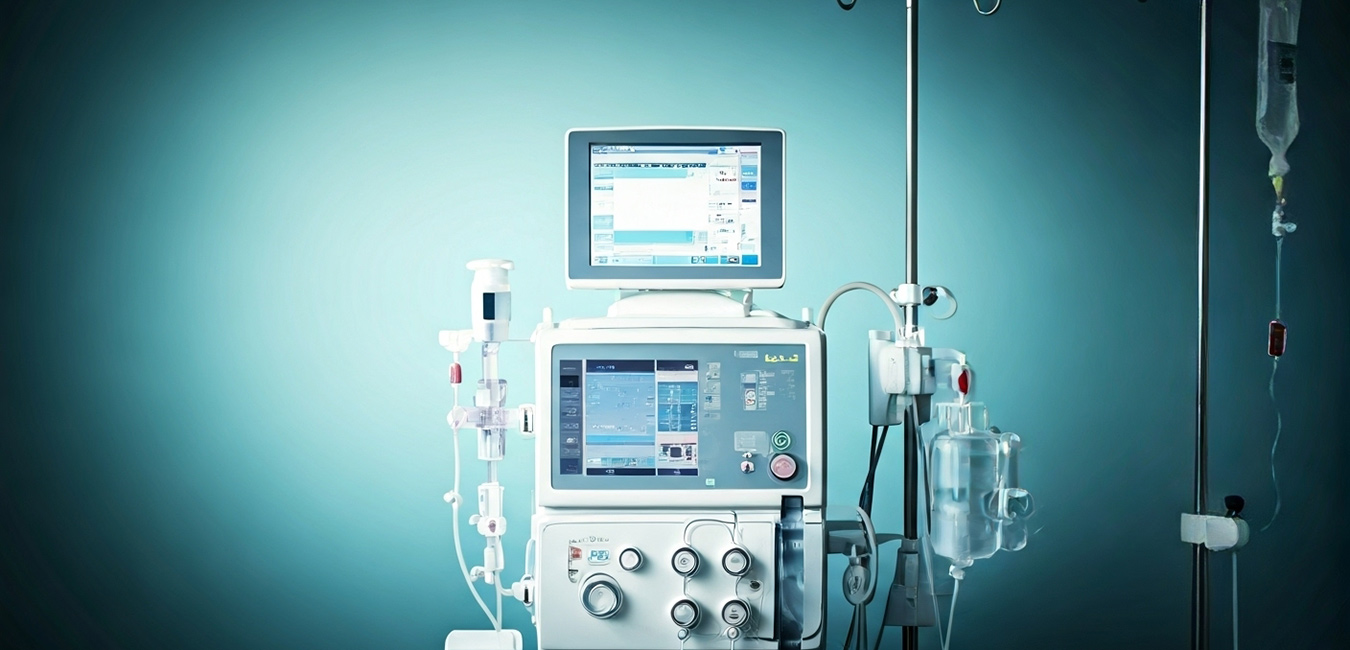
Therapeutic plasma exchange (TPE) is a well-established procedure used in the management of a wide range of autoimmune, neurological, and hematological conditions. By removing and replacing a patient's plasma, TPE can rapidly reduce circulating levels of harmful substances that contribute to disease activity. Here are six key benefits that make plasma exchange a valuable tool in acute care settings.
1. Rapid Removal of Harmful Antibodies
In autoimmune conditions, the immune system produces antibodies that mistakenly target the body's own tissues. Therapeutic plasma exchange can rapidly reduce circulating levels of these pathological antibodies, offering relatively quick symptom relief compared to immunosuppressive medications that may take weeks to take effect.
2. Effective in Conditions Unresponsive to Other Therapies
For some patients, conventional treatments such as corticosteroids or intravenous immunoglobulin (IVIG) may not provide sufficient benefit. TPE may offer an alternative or adjunctive approach in conditions like myasthenia gravis, Guillain-Barré syndrome, or thrombotic thrombocytopenic purpura (TTP).
3. Treatment of Hematological Emergencies
TTP is a life-threatening hematological condition where plasma exchange is a cornerstone of treatment. By removing the deficient or dysfunctional ADAMTS13 enzyme and replacing it via replacement plasma, TPE can rapidly reverse the coagulation abnormalities driving the disease process.
4. Neurological Benefit
Several neurological conditions may respond to TPE, including chronic inflammatory demyelinating polyneuropathy (CIDP), neuromyelitis optica (NMO), and certain forms of encephalitis where pathological antibodies are implicated in causing nerve damage.
5. Support Before and After Transplantation
In solid organ transplantation, TPE may be used to reduce donor-specific antibodies before transplantation (desensitization) or to treat antibody-mediated rejection after transplantation, potentially improving graft outcomes.
6. Well-Tolerated with Manageable Side Effects
Therapeutic plasma exchange is generally well tolerated by most patients. The most common side effects — such as mild hypotension, tingling, or fatigue — are typically transient and manageable. Serious adverse events are uncommon when the procedure is performed by trained personnel with appropriate monitoring in place.
As with all medical procedures, the decision to pursue TPE should be made by a physician who has considered the patient's diagnosis, overall health, and the best available clinical evidence.