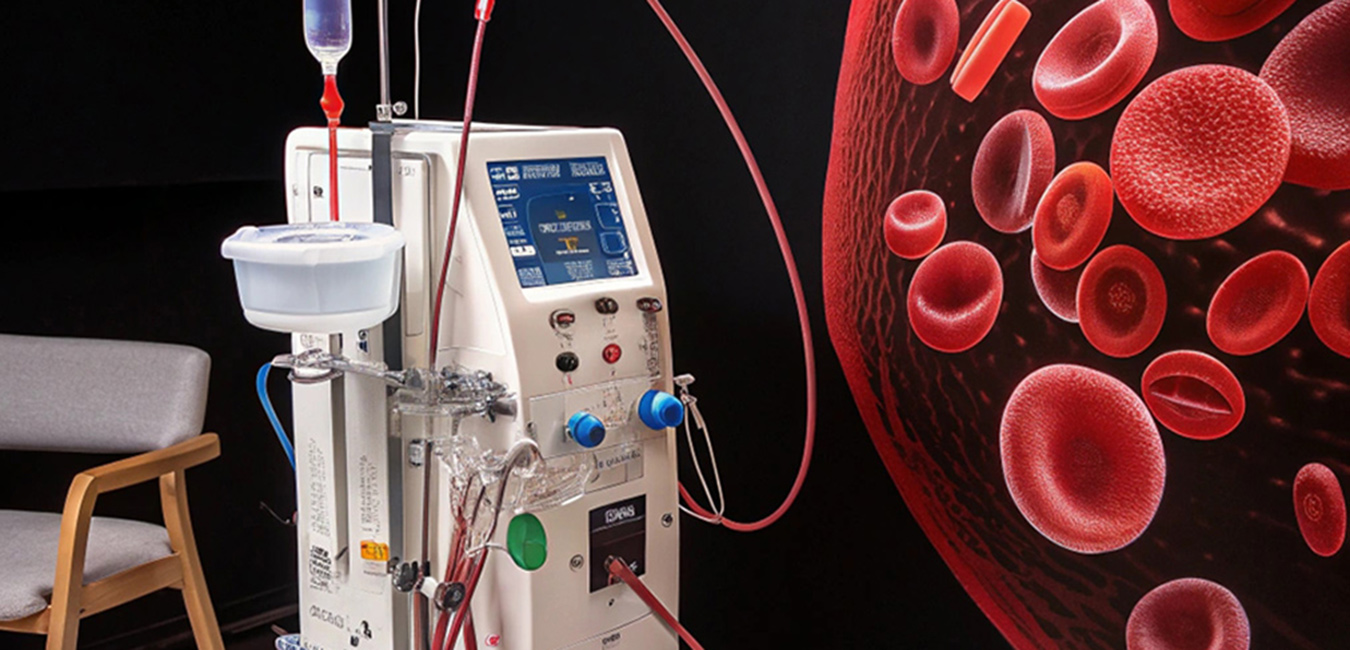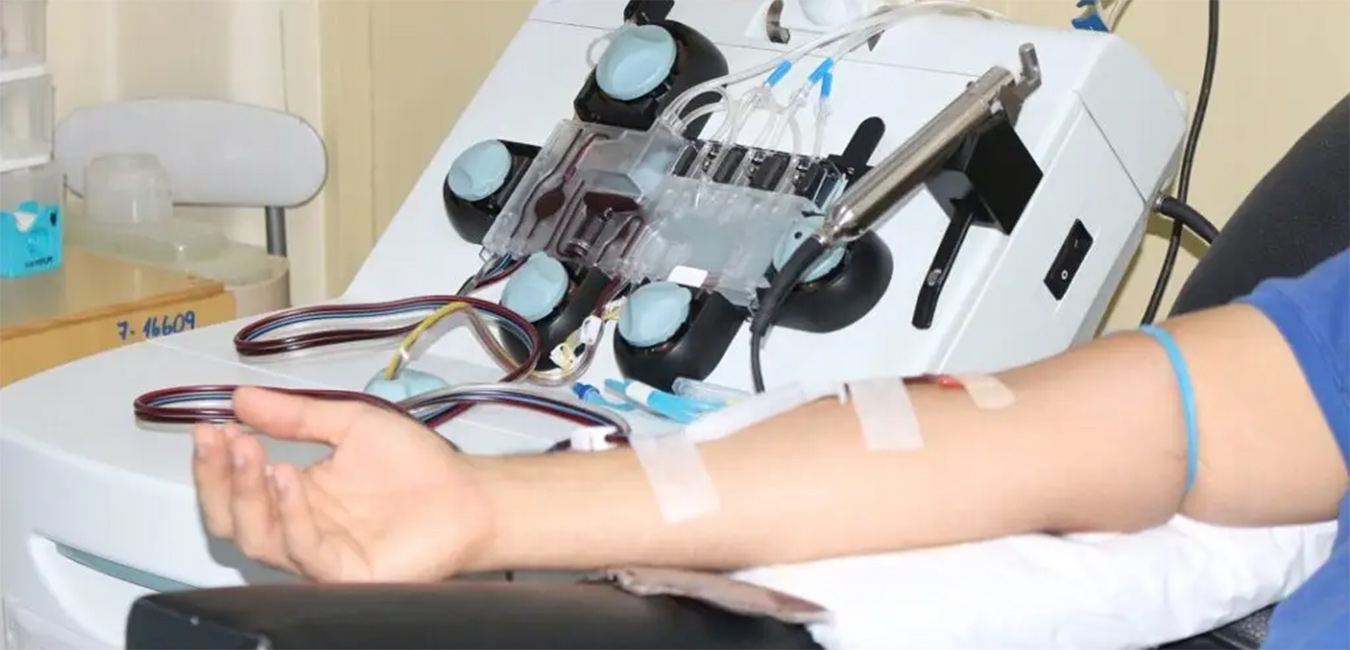
Red Blood Cell Exchange (RBCE), also known as erythrocytapheresis, is a specialized apheresis procedure in which a patient's red blood cells are selectively removed and replaced with donor red blood cells or a suitable substitute. Unlike simple transfusions that add blood, RBCE actually replaces circulating red blood cells, making it particularly useful when the patient's own red blood cells are dysfunctional or where reducing the proportion of abnormal cells is therapeutically important.
Sickle Cell Disease
Sickle cell disease is the most common indication for Red Blood Cell Exchange, particularly for pediatric patients. In sickle cell disease, red blood cells adopt an abnormal, rigid sickle shape that impairs blood flow and oxygen delivery. RBCE removes sickled red blood cells and replaces them with healthy donor cells, rapidly reducing the proportion of hemoglobin S (HbS) in the circulation. This may help prevent or manage complications such as acute chest syndrome, stroke, and vaso-occlusive crises.
Severe Malaria
In cases of severe, complicated malaria — particularly Plasmodium falciparum infections with very high parasitemia — RBCE may be used to rapidly reduce the number of parasitized red blood cells in the circulation, potentially limiting organ damage. The appropriateness of RBCE in malaria management is determined by clinical guidelines and treating physician judgment.
Polycythemia and Erythrocytosis
In conditions where the red blood cell count or hematocrit is dangerously elevated — such as polycythemia vera or certain forms of secondary erythrocytosis — red blood cell reduction may be used to reduce blood viscosity and the associated risk of thrombotic complications.
Hemolytic Anemia
In certain severe forms of hemolytic anemia, where red blood cells are being rapidly destroyed, RBCE may be used to replace dysfunctional or antibody-coated red blood cells with healthy donor cells, supporting oxygen delivery while other treatments address the underlying cause of hemolysis.
Pediatric Considerations
Celly Mobile Dialysis has experience providing Red Blood Cell Exchange for pediatric patients. Our nursing team is trained to deliver this specialized procedure with protocols adapted to the unique physiological needs of younger patients. We work in close coordination with your facility's clinical team to ensure safe, high-quality care for every patient.