When it comes to advanced renal and blood treatments, one powerful yet often misunderstood therapy is apheresis. At Celly Mobile Dialysis, we provide several types of apheresis services as part of our comprehensive acute care offerings. This article explains what apheresis is, how it works, and which conditions may benefit from it.
What is Apheresis?
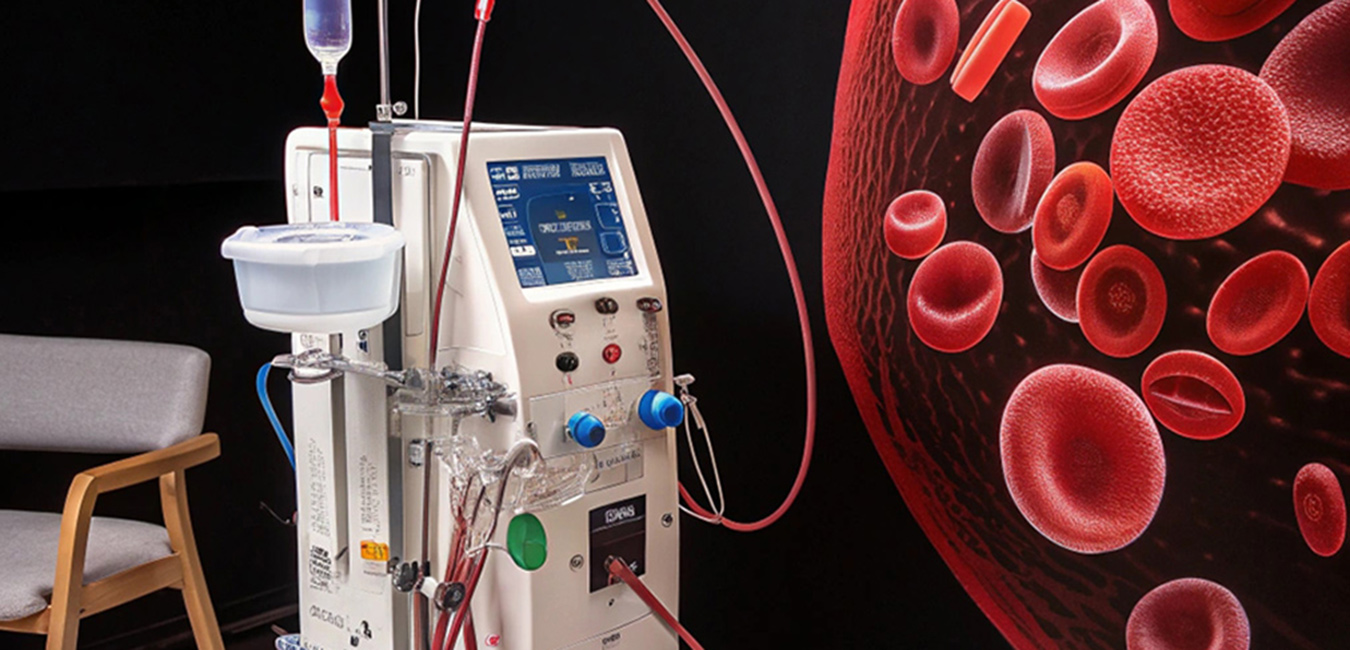
Apheresis (also called therapeutic apheresis) is a medical procedure in which a patient's blood is drawn, separated into its components using specialized equipment, and then specific components are either removed, treated, or collected — before the remaining blood is returned to the patient's circulation.
Depending on the treatment goal, apheresis may target plasma, red blood cells, white blood cells, or platelets. The procedure allows for highly targeted intervention in conditions where specific blood components are causing harm or where therapeutic manipulation of blood components is medically indicated.
Types of Apheresis
Several distinct apheresis procedures exist, each targeting different blood components:
- Therapeutic Plasma Exchange (TPE): Removes and replaces the patient's plasma to eliminate harmful antibodies, toxins, or proteins.
- Red Blood Cell Exchange: Replaces abnormal red blood cells with healthy donor cells — commonly used in sickle cell disease management.
- Leukopheresis: Selectively removes white blood cells, often used in leukemia or other conditions with abnormally elevated WBC counts.
When is Apheresis Needed?
Apheresis may be used in the management of a broad range of conditions including autoimmune disorders such as Guillain-Barré syndrome and myasthenia gravis, neurological conditions, hematological disorders like thrombotic thrombocytopenic purpura, and certain blood cancers. It may also be used to support patients before or after organ transplantation. The decision to use apheresis is made by the patient's physician based on clinical presentation, diagnosis, and response to other treatments.
What to Expect During Apheresis
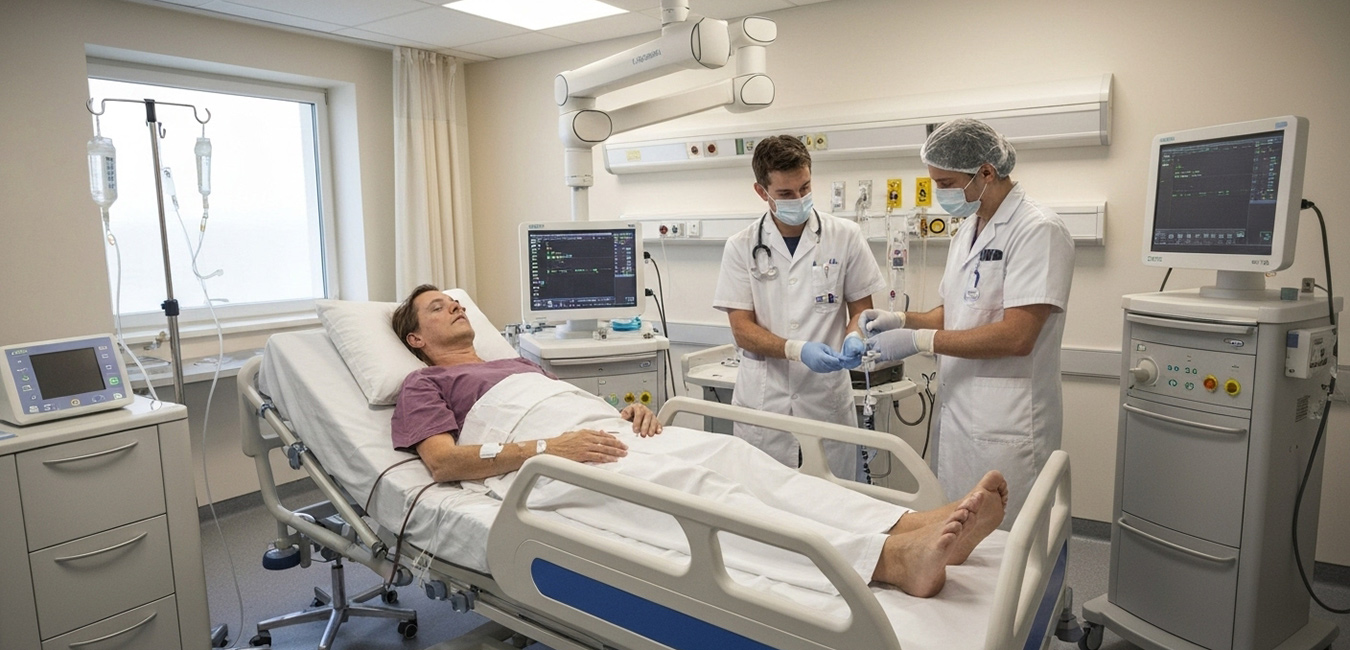
An apheresis session typically takes 1 to 4 hours depending on the type of procedure and the patient's condition. The patient's blood is drawn through an intravenous line, processed through a specialized machine, and returned to the body. Throughout the procedure, our nursing staff monitor the patient closely for safety and comfort. Mild, temporary side effects such as dizziness or lightheadedness may occur but generally resolve quickly.