
What is Hemodialysis?
Hemodialysis is a medical procedure used to treat individuals with advanced kidney failure, also known as end-stage renal disease (ESRD) or stage 5 chronic kidney disease (CKD). This condition occurs when the kidneys are no longer able to effectively filter waste products and excess fluids from the blood.
What Happens During Hemodialysis?
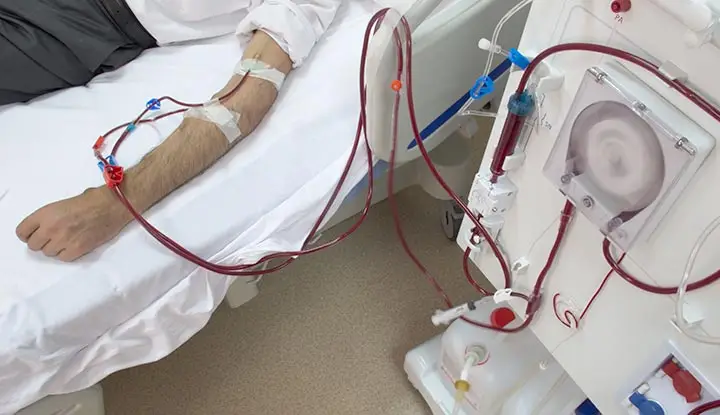
During hemodialysis, the patient's blood is circulated through a dialysis machine that acts as an artificial kidney. The machine removes waste products — such as urea and creatinine — as well as excess fluids from the blood, helping to maintain the body's overall fluid and electrolyte balance.
The dialysis machine contains a special filter called a dialyzer or artificial kidney, which consists of semipermeable membranes. These membranes allow waste products and excess fluids to pass through while retaining essential blood components such as red blood cells and proteins.
Can You Live a Normal Life with Hemodialysis?
Living a normal life while undergoing hemodialysis is possible with adherence to treatment, lifestyle adjustments, and proper management. Regular attendance at hemodialysis sessions is essential for maintaining health, managing fluid levels, and removing waste products from the body.
Seeking emotional support from healthcare providers, support groups, friends, and family members can help individuals cope with the challenges associated with kidney failure and hemodialysis. Despite these challenges, many individuals are able to lead fulfilling lives by effectively managing their condition and making necessary lifestyle modifications.