Leukapheresis, also spelled leukopheresis, is a specialized form of apheresis in which white blood cells (leukocytes) are selectively removed from a patient's bloodstream. While other apheresis procedures target plasma or red blood cells, leukapheresis is specifically designed to reduce or collect white blood cells for diagnostic or therapeutic purposes.
How Does Leukapheresis Work?
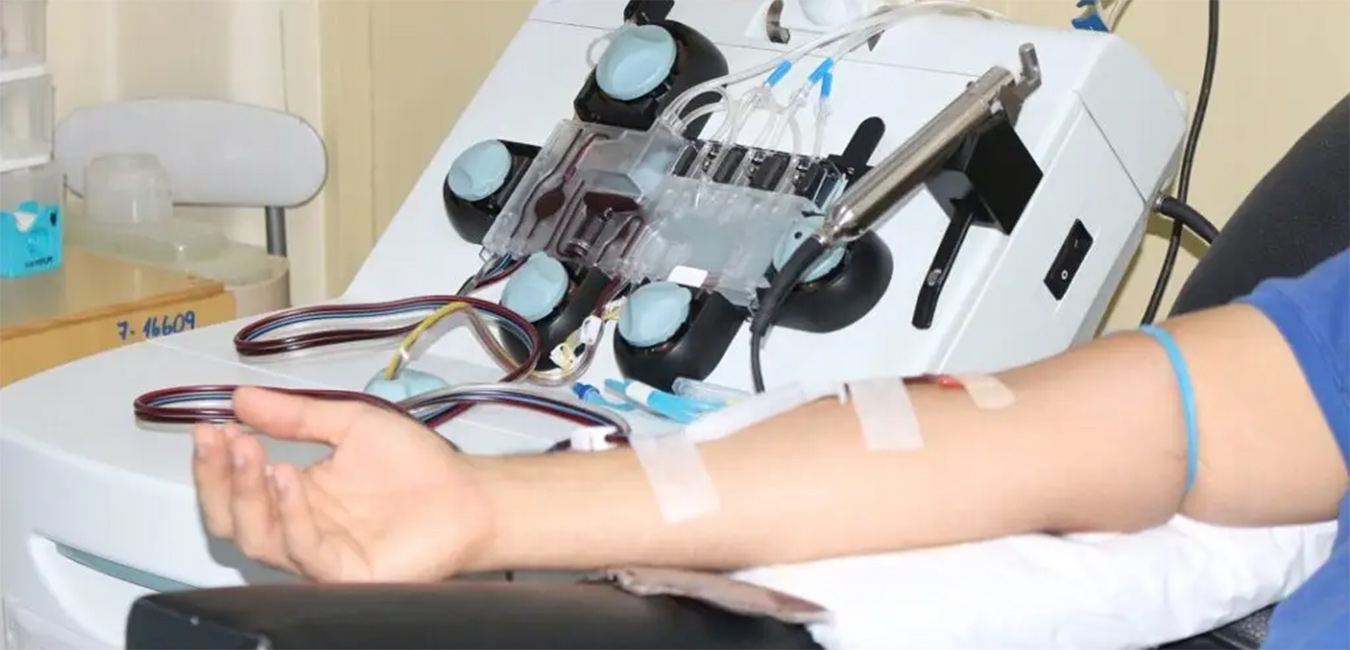
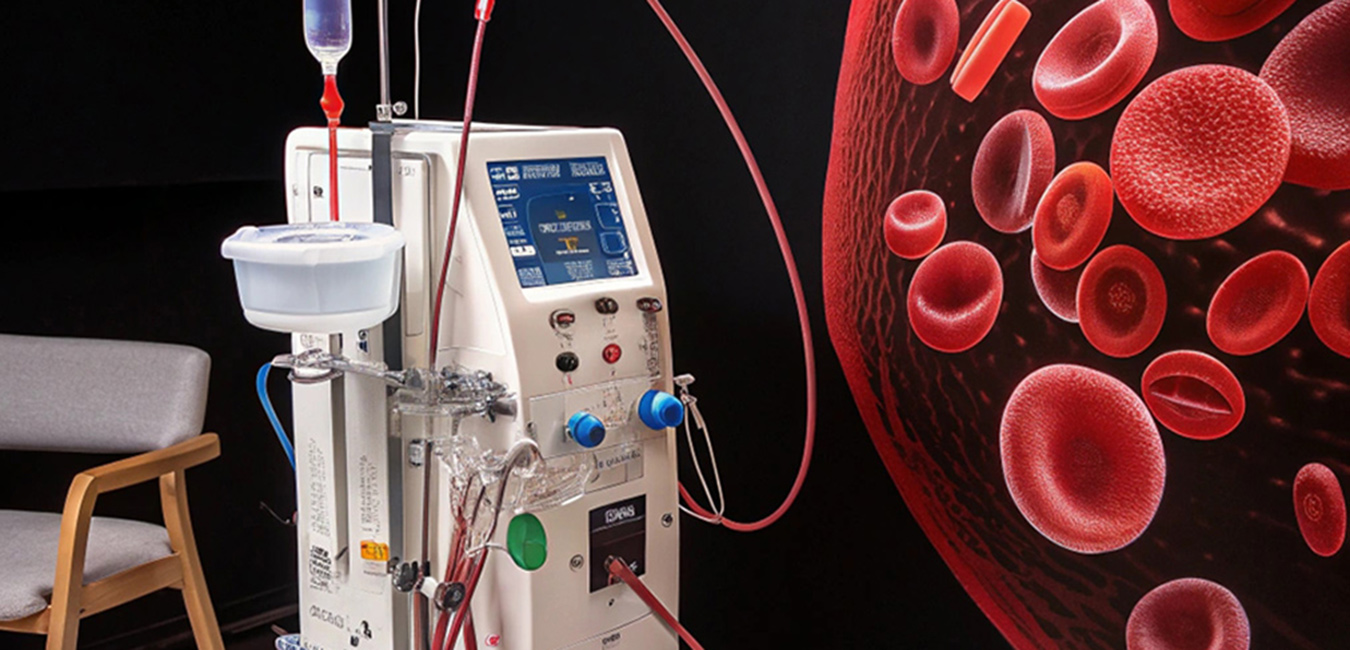
During a leukapheresis procedure, the patient's blood is drawn through an intravenous line and passed through a specialized apheresis machine. The machine uses centrifugation or filtration to separate blood components. White blood cells are selectively removed and collected, while the remaining blood components — including red blood cells, platelets, and plasma — are returned to the patient's circulation.
The collected white blood cells may be discarded (in cytoreductive leukapheresis) or retained for further processing, donation, or use in cellular therapies (in collection leukapheresis).
When is Leukapheresis Used?
Leukapheresis is most commonly performed in patients with very high white blood cell counts (leukocytosis) that are causing or at risk of causing complications. Conditions that may require leukapheresis include acute or chronic leukemia with very high blast or leukocyte counts, leukostasis syndrome, certain lymphomas, and autoimmune conditions in select clinical contexts. Leukapheresis may also be performed as part of stem cell or immune cell collection programs.
Pediatric Leukapheresis
Celly Mobile Dialysis has experience providing leukapheresis for pediatric patients, a population that requires specialized protocols and careful attention to procedure tolerability. Our nursing team works in close coordination with your clinical staff to ensure safe, appropriate care for younger patients requiring this intervention.
What to Expect
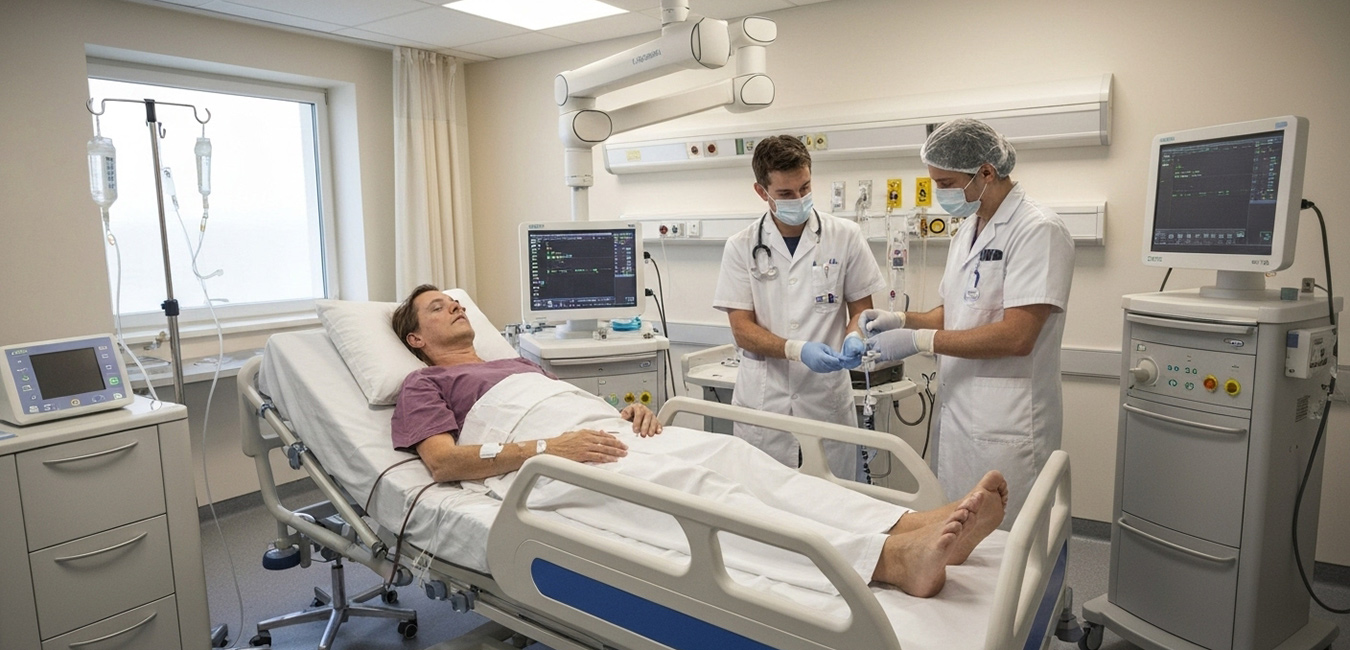
A leukapheresis session typically takes 2 to 4 hours. Patients are connected to the apheresis machine via IV lines and are monitored throughout the procedure. Adequate hydration is encouraged before the procedure. Temporary side effects such as fatigue, tingling, or lightheadedness may occur and generally resolve after the session.