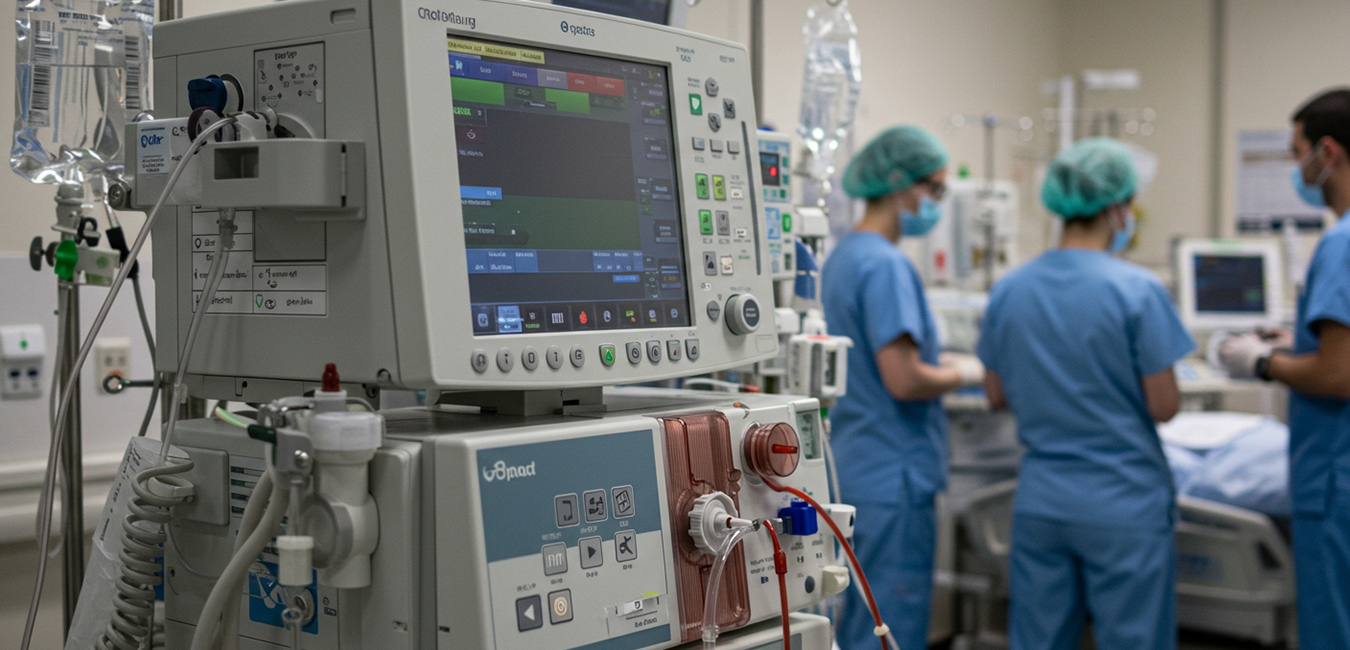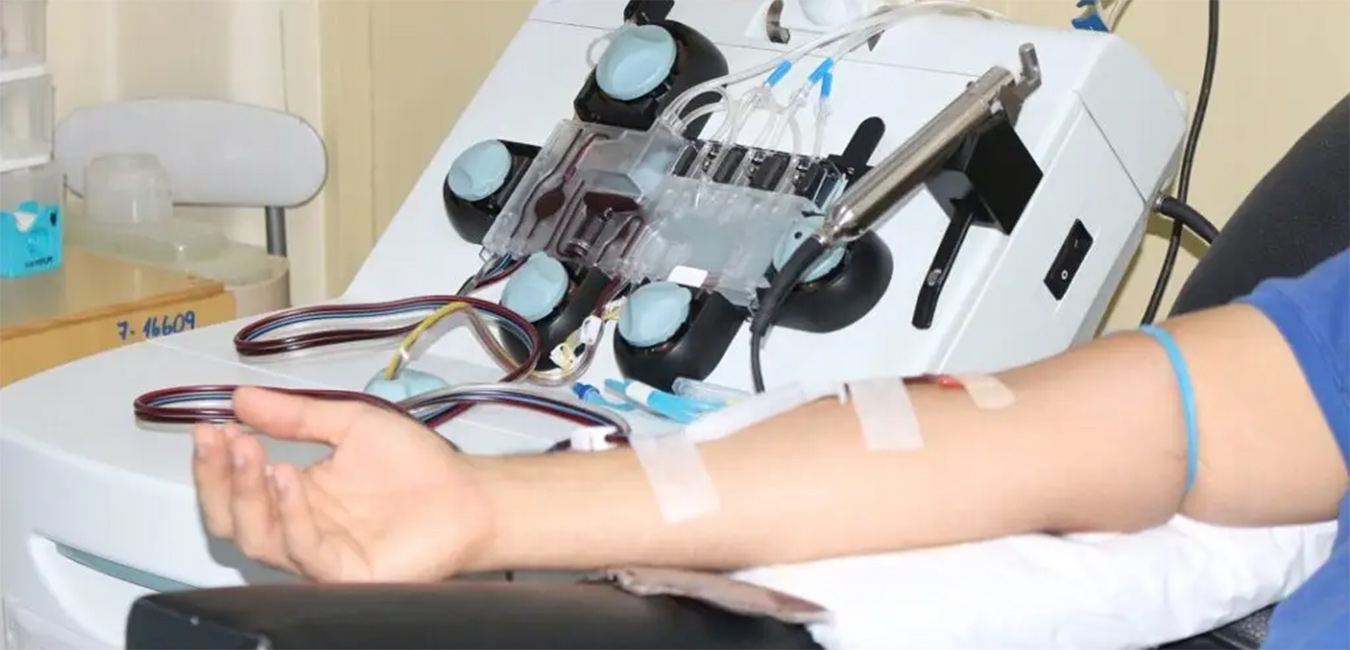
Your kidneys play a vital role in filtering waste, balancing fluids, and regulating key functions in the body — including blood pressure, red blood cell production, and bone health. Yet kidney disease often develops silently, with few symptoms until significant damage has occurred. Certain everyday habits may help support kidney health and slow the progression of chronic kidney disease.
1. Stay Well Hydrated
Adequate fluid intake helps the kidneys flush out toxins and waste products from the body. Aim for approximately 6–8 glasses of water daily, though individual needs vary based on activity level, climate, and health conditions. Always consult your physician about the right fluid intake for your specific situation.
2. Follow a Kidney-Friendly Diet
A diet low in sodium, processed foods, and excess protein may help reduce the burden on the kidneys. Focus on fresh fruits, vegetables, whole grains, and lean proteins. If you have kidney disease, a registered dietitian can help you develop a plan tailored to your needs.
3. Exercise Regularly
Regular physical activity may help control blood pressure and blood sugar — two major risk factors for kidney disease. Even moderate activity like walking 30 minutes most days of the week can make a meaningful difference in overall cardiovascular and kidney health.
4. Monitor Your Blood Pressure
High blood pressure is one of the leading causes of kidney damage. Regular monitoring and working with your doctor to keep blood pressure in a healthy range may help protect kidney function over time.
5. Manage Blood Sugar Levels
Diabetes is the leading cause of kidney failure. If you have diabetes, careful management of blood sugar through diet, medication, and lifestyle changes is critical to protecting your kidneys.
6. Avoid Overuse of NSAIDs
Non-steroidal anti-inflammatory drugs (NSAIDs) like ibuprofen and naproxen, when taken regularly, can reduce blood flow to the kidneys and contribute to damage over time. Use these medications only as directed by your physician.
7. Don't Smoke
Smoking damages blood vessels, reduces blood flow to the kidneys, and may worsen existing kidney disease. Quitting smoking is one of the most impactful steps you can take for overall vascular and kidney health.
8. Limit Alcohol Consumption
Excessive alcohol intake can raise blood pressure and add extra strain on the kidneys. Moderate or eliminate alcohol consumption in consultation with your healthcare provider.
9. Get Regular Health Screenings
Early detection of kidney disease is key to slowing its progression. Regular check-ups that include blood and urine tests can identify kidney problems before symptoms appear. If you have risk factors such as diabetes, hypertension, or a family history of kidney disease, more frequent screening may be appropriate.
10. Maintain a Healthy Weight
Obesity is associated with higher risk of diabetes, hypertension, and kidney disease. Maintaining a healthy weight through balanced nutrition and regular physical activity supports kidney health as part of overall wellness.
These habits are not a substitute for medical care. Always work with your healthcare provider to develop a personalized plan for kidney health management.